

What’s the difference between Traditional and Digital Marketing? And which one should you use for your business marketing plan?
Marketing is the backbone of many companies. But which form of marketing you go for depends on several different factors and is a question all business owners have to ask themselves at some point. You need to make sure you’re choosing the correct form of marketing to reach your ideal customer.
So, what are the differences between traditional marketing and digital marketing? Why are they both important? And ultimately, which should you be spending your time and money concentrating on?
As an experienced content marketing company, we’re here to take you through your options so you can make the best choice for you and your business.
What Is Traditional Marketing?
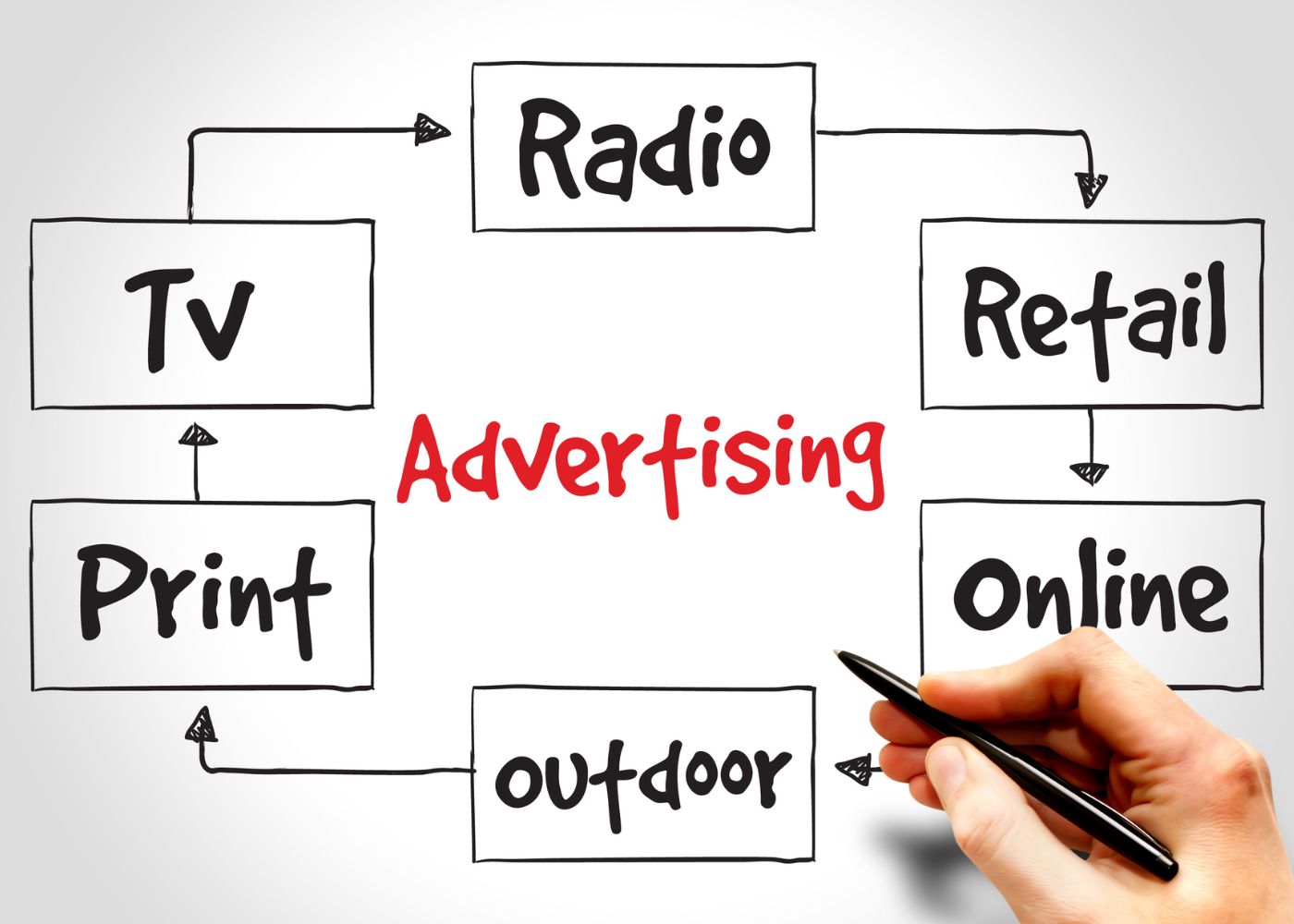
Traditional marketing is all the ways companies promoted their products or business before the rise of the internet in the 1990s. Traditional marketing channels include:
- TV and Radio
- Magazines and Newspapers
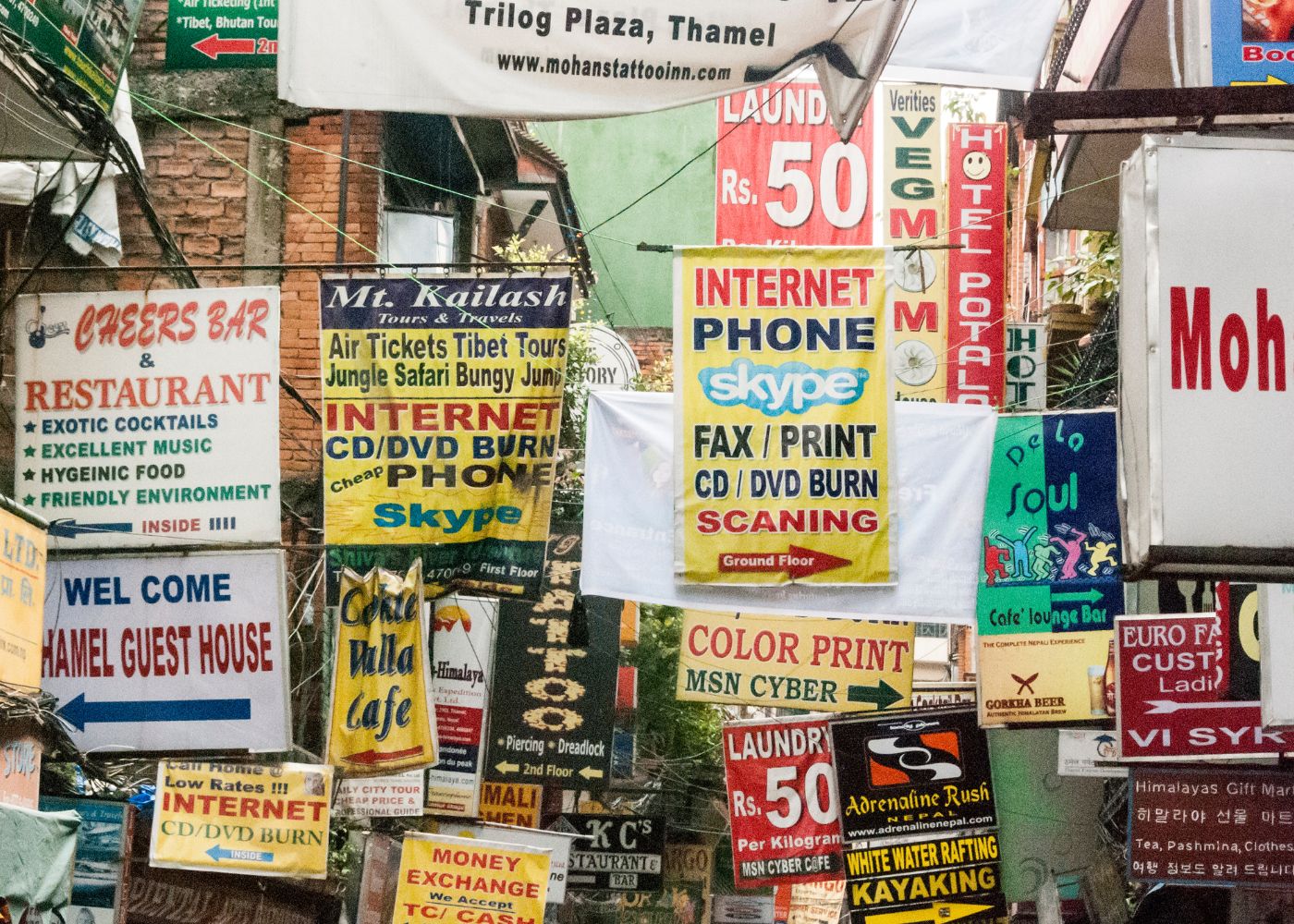
- Billboards and Posters
- Print – Flyers and Brochures
- Telemarketing, Cold Calls and Mail Outs
- Window Displays
Is Traditional Marketing Old-Fashioned?
Just because traditional marketing takes place offline, doesn’t mean it’s old-fashioned. In fact, traditional marketing methods still play a vital role in many large companies’ marketing plans and can often be used in conjunction with digital marketing.
What Is Digital Marketing?
Digital marketing is all the ways companies get you to notice and buy their services/products when you’re online. They use clever algorithms and consumer behaviour to target a business’s ideal audience. Digital marketing channels include:
- Social Media (Facebook, Instagram, LinkedIn etc)
- Search Engine Marketing (SEM)
- Content Marketing
- Search Engine Optimisation (SEO)
- Display Advertising
- Affiliate Marketing
- Email Marketing
What to Consider When Creating Media Campaigns
Before deciding whether to use traditional marketing channels, digital marketing channels or a mixture of the two in your campaign, there are a few things you need to think about.
Consideration #1 – Your Ideal Customer
Who exactly do you want to be using your services and buying your products? And equally important, where do you expect them to be when they see your advert?
If you have a new skincare product aimed at Gen Z women, a sponsored social media post is more likely to attract your target audience sooner.
But if you’re a property developer promoting a new development on a piece of land near a highway, a large billboard close by may be a better bet.
Regardless, a well-thought-through SEO strategy can help bring long-term results for both and get their websites ranking for relevant search terms.
An efficient content marketing company can help you to identify your target audience and adapt a tailored strategy for your marketing goals.
Consideration #2 – Budget
Of course, budget is an essential part of any media campaign.
One of the biggest positives about digital marketing vs traditional marketing is that digital marketing can end up being much more cost efficient and accessible for both businesses and corporate.
For instance, if you decide to advertise on TV or radio, not only will you have to hire a creative team to produce the advert but you’ll also have to buy airtime which can be very expensive. Likewise, footing the bill for a large billboard in a prime area won’t be cheap.
Spending the same type of budget (or in most cases, less) on digital marketing often means your money goes further to achieve a similar reach. And you have more options to target your campaign to be shown in front of your ideal audience.
Consideration #3 – Buyer Journey Stage
It’s also important to think about what stage your customer is at when they see your service or product advertised.
Are you trying to attract new customers and make them aware of your business? Or are you looking to get existing customers to purchase from you again? When customers come to your website, you can retarget and re-engage the ones who didn’t end up buying from you so that you stay front of mind.
When you partner with an SEO agency in Melbourne, they’ll be able to carry out thorough keyword research which can help identify at what stage of the buying journey your potential customers are. If they are searching for product comparisons or exact prices, they’re likely in the later stages of the journey and are looking to buy.
Consideration #4 – Accurate Return on Investment Reporting
When you start your media campaign, you want to know that your efforts are getting you results.
One of the trickiest parts of traditional marketing is that it’s difficult to know your exact ROI. Are people remembering your poster at the bus stop? Did your funny TV advert really make people buy your product?
It’s difficult to track people’s buying behaviour offline. You can, however, work with a media buyer who will be able to advise you on trends within a similar business to yours.
Online, however, it’s much easier. On a paid social media post, for example, you’ll be able to see the likes and shares and track how many people come to your website through the post.
Similarly, if you pay for google search ads you can see the exact number of people that have made a purchase on your website and whether it’s a good return on investment for you.

Main Positives of Traditional Marketing
Benefit #1 – Impactful
♪Lube Mobile will come to you… Call 13 30 32.♪ Right?!
And I bet that’s not the only TV or radio jingle you remember from when you were younger. But can you remember one of the many sponsored posts you scrolled past on Instagram this morning?
Successful TV and radio campaigns often become part of normal day-to-day life – just look at how Budweiser got a whole generation greeting each other with ‘whassup’.
And that’s not all. Thanks to that campaign, Anheuser-Busch (the brewers of Budweiser and Bud Light) reported a worldwide sales increase of 2.4 million barrels after, what some say, was the first viral advert. So it wasn’t just catchy for its customers, it got them buying the beer too.
Here it’s also worth mentioning that adverts on digital channels like YouTube are also moving in this direction.
Benefit #2 – Last Longer
A big benefit of offline marketing is that it doesn’t disappear as quickly as online adverts.
For example, a billboard at the end of your street is going to be there for a while. So whether you see it on your morning run, your afternoon coffee break or when going for dinner with friends, you’re being reminded of the brand and its product or service.
Likewise, an advert on the front of a magazine is going to hang around your coffee table for a while. Every time you pick it up, you’ll see the image and the brand will stay on your mind.
Main Negatives of Traditional Marketing
Disadvantage #1 – More Difficult to Measure Campaigns
To see whether your campaign is successful, you need access to the data behind it. It’s difficult to measure whether someone has watched your TV advert and then bought your product or whether their neighbour recommended it to them.
Disadvantage #2 – More Expensive
Of course, a primetime TV advert or an enormous billboard are going to cost more than a banner on a website or working with a good content marketing company.
Many companies, especially those starting out, won’t have the funds to have adverts printed in their favourite (and the most famous) magazines.
Disadvantage #3 – No Customer Interaction
One of the great things about social media marketing is that you can directly see whether people like your marketing campaign or not. You can respond to their comments and understand what they’d like to see more of, what they found entertaining, and what didn’t work so well.
With traditional marketing, you’re often left in the dark and can’t really respond to your customers’ reactions.
Main Positives of Digital Marketing
Benefit #1 – Campaigns Are Easier to Measure
One of the biggest points of digital marketing is that it’s designed to be flexible so you can optimise the campaigns that are working.
Digital marketing is performance-based so you can easily see which banner or advert your customers are engaging with most and on what channel. You can get results straight away and you don’t have to wait until the end of a traditional media campaign to know how successful it was.
Benefit #2 – Targeted Campaigns
With online campaigns you can target geographical locations and people. This means you can narrow down exactly who your target audience is and post ads that will interest them – and hopefully get them buying!
When you work with an SEO agency in Melbourne, they’ll be able to carry out thorough keyword research and write engaging content that offers real value to the people searching for that term. They’ll also be able to do your Google My Business set up which can help businesses with a local presence.
Main Negatives of Digital Marketing
Disadvantage #1 – Paid Online Adverts are Temporary
Banners, Google Ads and social media posts don’t necessarily have a lasting effect. Certainly not like ‘whassup’. When your paid promotion ends, your ads no longer appear.
Unless they’re really well done, it’s easy to scroll past adverts and not take that much notice. However, your ads should be targeted, meaning they’ll be offering something your audience is looking for or interested in which will catch their eye!
Disadvantage #2 – You Sometimes Need to Play the Long Game
An effective SEO strategy is a great form of online marketing. But unlike ads and banners, it needs time to grow organically.
A knowledgeable content marketing company can help you create a long-term SEO strategy with engaging content and a well-structured website. Results won’t be instantaneous, but when done right they will be well-worth it in the long run.

Should You Choose Traditional or Digital Marketing?
This is a really common question that we hear all the time. And it really depends on your business and marketing budget.
If your business works on an affiliate basis online, then concentrating on social media ads and SEM is probably your best bet. However, if you’re opening a new bakery in your city, then a mixture of using an SEO strategy, online ads, and paper flyers through the doors of those living near the bakery could work well.
Working with a professional can help you identify which method/s would work best for your unique business.
Why Should You Partner With Elevate Websites for your Digital Marketing?
Our team at Elevate Websites have years of experience in effective digital content marketing and SEO. We can help you identify your ideal target audience and through which channel you should reach them. We’ll create informative content that can be shared across multiple social media platforms, effective copywriting for your website and come up with a long-term SEO strategy that will bring you results.
If you’d like to know how digital content marketing and a great SEO plan can help your business, contact the team at Elevate Websites for more information.

Calem Koek is a web designer and owner of leading Melbourne-based digital marketing agency Elevate Websites. He has been helping businesses in Melbourne and across Australia scale their business online through quality website design and world class SEO services.